

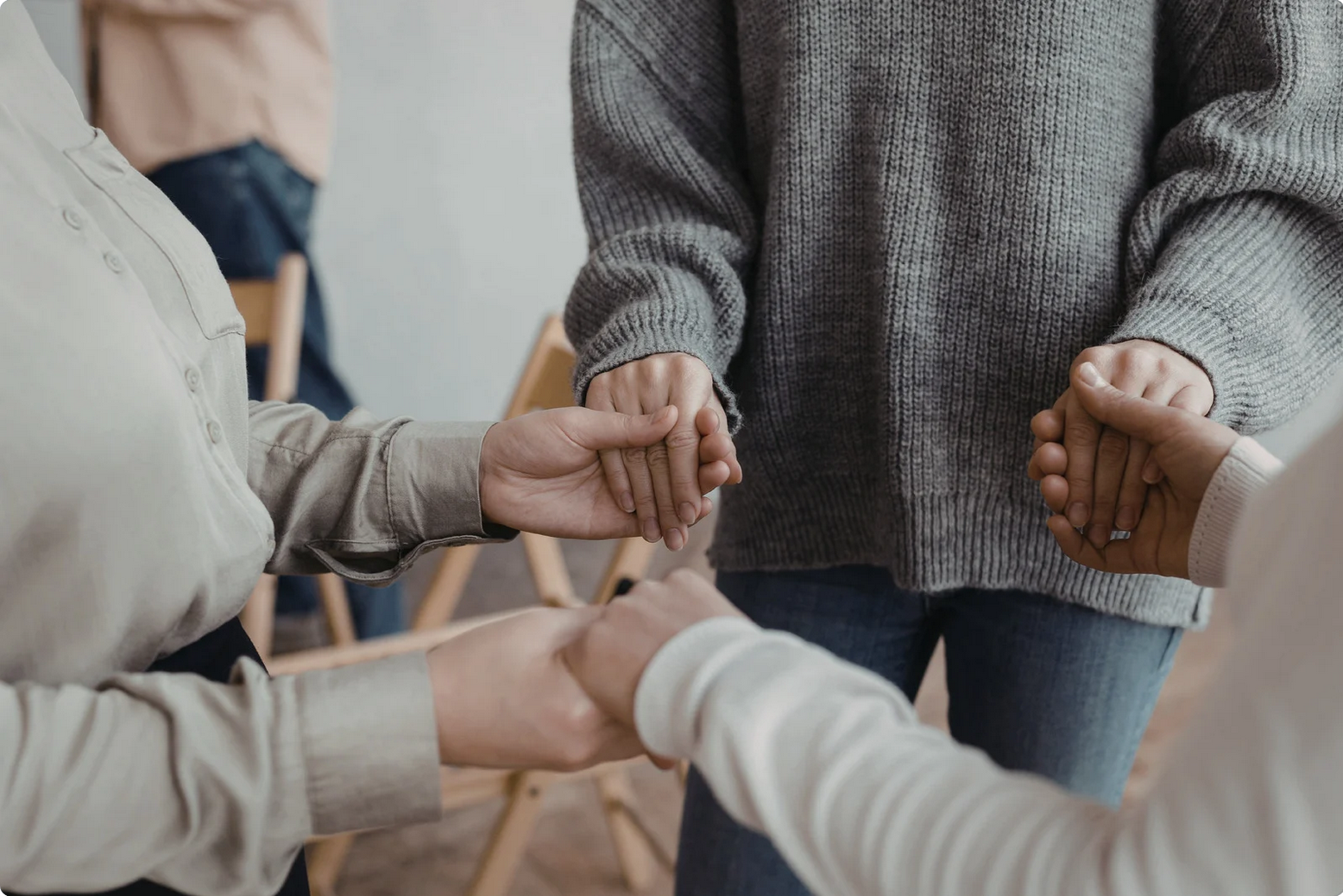
Rebuilding Connection in an Age of Isolation
We live in a paradox: our phones connect us to millions of people, yet many of us feel more alone than ever. The loneliness we experience isn't always physical. Sometimes it's the distance between who we are and who we're pretending to be, sometimes it's being in a room full of people and still feeling invisible, and sometimes it's retreating so far into ourselves that we forget how to let anyone in. If you've stopped responding to texts, declined invitations, or realized you can't remember the last real conversation you had, you're experiencing what researchers call a connection crisis, and you're far from alone. The roots of our disconnection run deep and tangled with burnout, political stress, and systemic barriers that make genuine connection harder for some than others. But reconnection is possible, and it starts small.

Burnout in Therapists
Burnout for therapists doesn't just happen at work, it creeps in from everywhere. You're holding your clients' stories, managing your own life, and juggling caregiving responsibilities, all while your needs keep getting pushed to the bottom of the list. The wellness industry wants to sell you quick fixes like perfect morning routines and self-care checklists, but the truth is those are just band-aids. For therapists, burnout runs deeper than "not enough self-care." It's baked into the systems we work in, the impossible caseloads we carry, and the emotional labor we provide with little support in return. Real solutions require more than individual effort, they require structural change.
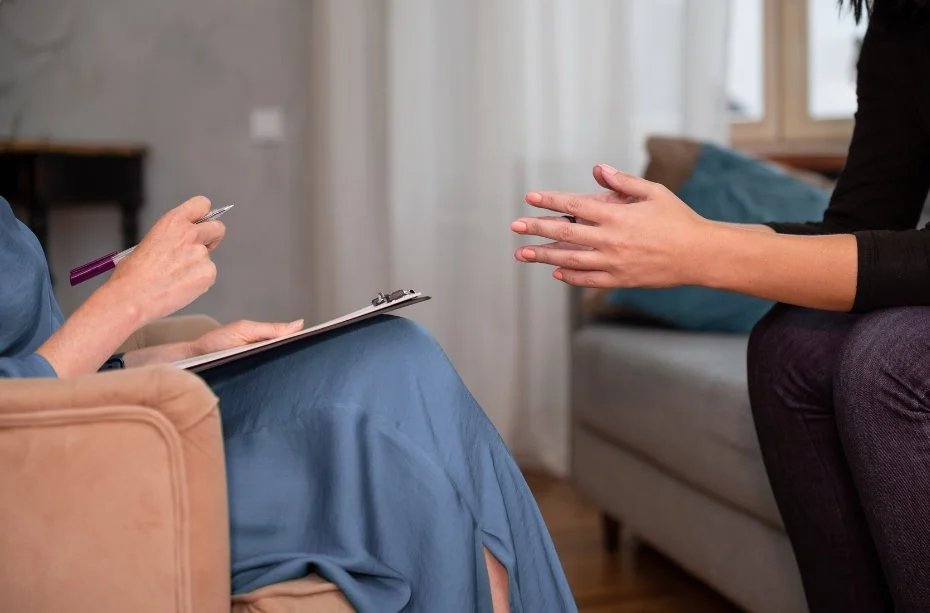
Consultation for Clinicians Seeking Deeper Practice
When we first started our consultation practice, we knew we wanted to create something different. Not another supervision requirement to check off or another professional development course to sit through passively. We wanted to build a space where clinicians could bring their real questions, their stuck places, and their curiosity about doing this work more deeply. The truth is, most of us didn't become therapists because we wanted to follow a script. We came to this field because we were drawn to the complexity of human experience, the mystery of healing, and the privilege of sitting with people in their most vulnerable moments.